
Exploring the Current State of Real Estate in India: Market Trends and Insights
Real Estate in India consistently serves as a vital foundation for the nation’s economic stability. The sector encompasses a wide range of activities, including residential and commercial properties, retail and industrial spaces, and infrastructure development. India’s real estate industry significantly contributes to economic expansion, enhancing GDP and generating employment opportunities across the country. With rapid urbanization and increasing demand for better living standards, the real estate market continues to evolve, making it an exciting area for investment and development.
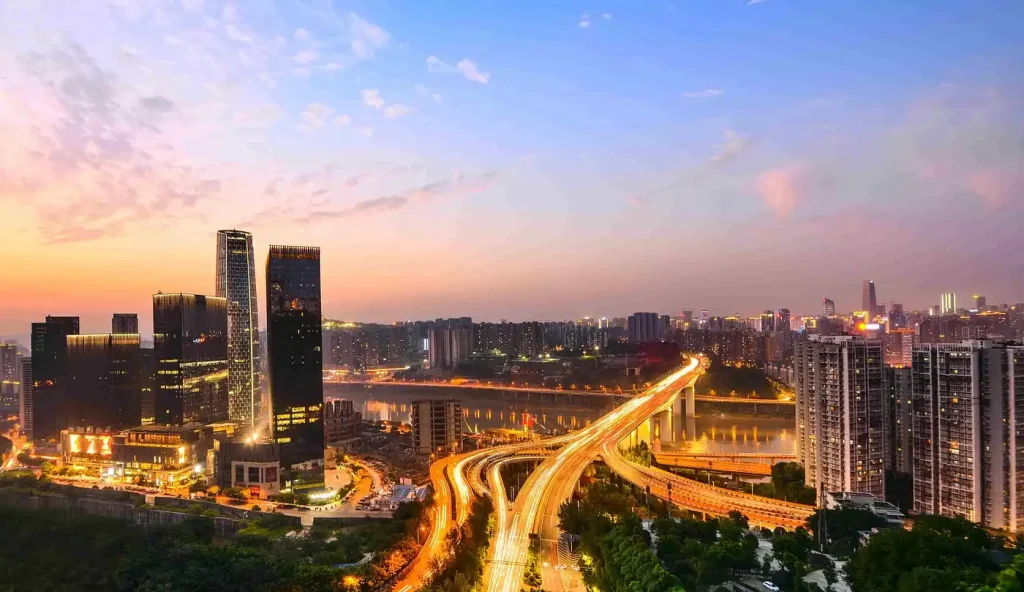
Real Estate in India is a term that reflects the dynamic and ever-evolving nature of the Indian economy. This sector not only contributes significantly to the country’s GDP but also plays a pivotal role in the overall economic development. Real estate in India has undergone tremendous changes over the years, transforming from a largely unorganized sector to one that is regulated and more transparent. A striking statistic reveals that as of April 2024, the Indian real estate market was valued at INR 25 lakh crore, with residential properties making up 78% of the market and commercial properties 22%.
I. Overview of the Indian Real Estate Market
A.Historical Context
Evolution of Real Estate in India The evolution of the real estate market in India can be traced back to the colonial era when land and property were primary assets. Post-independence, urbanization and industrialization led to the development of residential and commercial properties. Key milestones such as the 1991 economic liberalization, which invited foreign investments and technological progress, and the 2016 introduction of the Real Estate (Regulation and Development) Act (RERA) to improve transparency and protect buyers’ interests, have shaped the industry.
Major Milestones and Developments
- 1991 Economic Liberalization: Opened doors for foreign investments.
- RERA 2016: Ensured transparency and accountability.
- Smart Cities Mission: Launched in 2015 to promote sustainable and inclusive cities.
B.Current Market Size and Value
India’s real estate market is expected to be worth INR 25 lakh crore by the end of 2024. The residential sector dominates, contributing 78% of the market value, while commercial properties account for 22%.
Breakdown of Residential vs. Commercial Properties The market is witnessing a significant shift towards residential properties, with growing demand for both affordable and luxury housing, such as the luxurious Godrej Sarjapur Road property. In contrast, commercial real estate is expanding due to increased demand for office spaces, retail outlets, and industrial parks.
Recent Growth Trends and Statistics
- Residential Sales Growth: Increased by 26% in top cities like Bangalore, Delhi, and Mumbai in Q3 2023.
- Commercial Space Demand: High demand for office spaces and industrial parks, driven by foreign investments and urbanization.
II. Key Factors Driving the Real Estate Market in India
A. Economic Growth
Impact of India’s Economic Growth on Real Estate India’s GDP growth has a direct impact on the real estate sector. An expanding economy drives up the demand for both residential and commercial real estate. The real estate sector contributed approximately 7% to India’s GDP in 2023 and is expected to increase to 13% by 2030.
Contribution to GDP The real estate sector is a significant contributor to India’s GDP, with substantial investments flowing into infrastructure development, housing projects, and commercial spaces.
B. Urbanization
Rising Urbanization Rates and Its Effects India’s urbanization rate is expected to reach 44% by 2030. This rapid urbanization fuels the demand for residential and commercial properties, leading to the growth of cities and improved infrastructure.
Government Initiatives to Support Urban Growth
- Smart Cities Mission: Focuses on sustainable and inclusive urban development.
- Housing for All: Pradhan Mantri Awas Yojana (PMAY) aims to provide affordable housing by 2022.
C. Demographic Changes
Population Growth and Changing Demographics: India’s population growth, coupled with a young and dynamic workforce, drives the demand for residential and commercial properties. Millennials and NRIs are significant contributors to this trend, seeking modern and spacious living spaces.
Impact of Millennials and NRIs on the Market: Millennials account for 35% of the population and 56% of homebuyers. The growing preference for urban lifestyles and high-quality amenities is driving the demand for residential real estate. NRIs also invest heavily in Indian real estate, contributing to market growth.
III. Segments of the Real Estate Market
A. Residential Real Estate
1. Current Trends
Growth in Housing Sales: Housing sales in India have seen a robust increase, with a 26% rise in the April-June quarter of 2024 compared to previous years. This growth is driven by affordable housing initiatives and the demand for luxury homes.
Popularity of Affordable Housing: Affordable housing remains a significant focus, with government schemes like PMAY providing incentives for both buyers and developers.
Demand for Luxury and Spacious Homes: Post-pandemic, there is a growing demand for luxury and spacious homes, driven by a desire for better living conditions and amenities.
2. Key Markets
Overview of Major Cities like Bangalore, Mumbai, Delhi
- Bangalore: Witnessed a 4% growth in housing sales in 2024, making it a major realty hub.
- Mumbai: Significant demand for residential properties, driven by urbanization and economic growth.
- Delhi: Growth in both residential and commercial sectors, fueled by infrastructure development.
Comparison of Growth Rates and Market Dynamics Bangalore leads in terms of growth rates, followed by Mumbai and Delhi, with each city exhibiting unique market dynamics and demand drivers.
B. Commercial Real Estate
1. Current Trends
Growth in Office Spaces, Malls, and Industrial Parks: Commercial real estate is booming, with increased demand for office spaces, retail outlets, and industrial parks. This growth is driven by both domestic and foreign investments.
Influence of Foreign and Domestic Investments: Foreign investments in commercial real estate have surged, contributing to the development of high-quality office spaces and industrial parks.
2. Key Markets
Leading Cities for Commercial Real Estate
- Bangalore: A booming centre for start-ups and IT, where office space is in high demand.
- Mumbai: Known for its commercial hubs and financial institutions.
- Delhi: Significant growth in retail and office spaces, driven by infrastructure development.
Impact of Infrastructure Development: Infrastructure projects like metro expansions and highway constructions have a positive impact on commercial real estate, making cities more accessible and attractive for businesses.
C. Retail Real Estate
Trends in Retail Space Development: Retail real estate is witnessing a transformation, with the rise of shopping malls, high street retail, and mixed-use developments.
Impact of E-commerce and Changing Consumer Behavior: E-commerce has reshaped retail real estate, leading to a blend of online and offline shopping experiences. In response to these shifts, malls and other retail establishments are providing immersive shopping and entertainment alternatives.
IV. Technological Advancements in Real Estate
A. Innovations
Role of Technology in Transforming the Sector: Technology is revolutionizing the real estate sector, from property search and transactions to construction and management. Innovations like virtual tours, AI-driven property recommendations, and smart home technologies are transforming how people buy and sell properties.
Examples of Innovative Solutions in India
- Virtual Tours: With virtual tours, purchasers may inspect properties from a distance.
- Smart Homes: Featuring advanced IoT devices, this setup enhances both security and convenience.
B. Online Real Estate Platforms
Growth of Online Property Searches and Transactions: Online real estate platforms have made property search and transactions more efficient and accessible. Platforms like MagicBricks and 99acres are popular among buyers and sellers.
Benefits to Buyers and Sellers: These platforms provide detailed property listings, virtual tours, and streamlined transaction processes, benefiting both buyers and sellers by reducing time and effort.
V. Government Policies and Initiatives
A. RERA Act
An Introduction to the Real Estate (Regulation and Development) Act: Enacted in 2016, the RERA Act is designed to safeguard the rights of property buyers., uphold transparency, and regulate the real estate sector. It mandates the registration of real estate projects and agents, and enforces strict penalties for non-compliance.
Impact on Transparency and Buyer Confidence: RERA has significantly improved transparency in the real estate market, boosting buyer confidence and ensuring timely project completion.
B. Housing for All
Pradhan Mantri Awas Yojana (PMAY) and Other Schemes: PMAY aims to provide affordable housing to all by 2022, with a focus on urban poor and economically weaker sections. The scheme offers subsidies and incentives to encourage home ownership.
Progress and Challenges: While PMAY has made significant progress, challenges like land availability and regulatory hurdles persist, affecting the overall success of the scheme.
C. Smart Cities Mission
Development of Smart Cities and Its Impact on Real Estate: Smart City Development and Its Effect on Real Estate Launched in 2015, the Smart Cities Mission seeks to create 100 smart cities in India while encouraging equitable and sustainable urban growth. Real estate is greatly impacted by this program, which increases demand for both residential and commercial real estate.
Examples of Smart City Projects
- Bangalore: Focus your attention on enhancing public services and infrastructure.
- Pune: Implementing in place digital governance and smart infrastructure.
VI. Challenges Facing the Real Estate Sector
A. Affordability Issues
Rising Property Prices vs. Income Levels: While property prices continue to rise, income levels have not kept pace, making affordability a significant issue for many buyers.
Efforts to Make Housing More Affordable: Government initiatives like PMAY and interest rate subsidies aim to make housing more affordable, but more needs to be done to address the affordability gap.
B. Regulatory Hurdles
Challenges in Regulatory Approvals and Compliance: Real estate projects often face delays due to lengthy approval processes and compliance issues. This affects project timelines and increases costs for developers.
Impact on Project Timelines and Costs: Delays in regulatory approvals lead to increased project costs and affect the overall market sentiment, making it crucial for reforms to streamline these processes.
C. Pandemic Impact
Effects of COVID-19 on the Real Estate Market: The COVID-19 epidemic had a significant effect on the real estate industry, slowing sales and delaying projects due to lockdowns and economic instability. However, the market has shown resilience, with recovery trends indicating a positive outlook.
Recovery Trends and Future Outlook: The market is gradually recovering, with increased demand for residential properties and a resurgence in commercial real estate. The future outlook remains optimistic, with predictions for market growth by 2030.
VII. Future Outlook and Predictions
A. Market Projections
Predictions for Market Growth by 2030: The Indian real estate market is projected to reach a value of $1 trillion by 2030, driven by economic growth, urbanization, and government initiatives.
Key Factors Influencing Future Trends: Factors like technological advancements, regulatory reforms, and changing consumer preferences will shape the future of the real estate market.
B. Investment Opportunities
Areas with High Potential for Investment: Regions like Bangalore, Mumbai, and Delhi offer high potential for real estate investment due to their economic growth and infrastructure development.
Advice for Domestic and Foreign Investors: Investors should focus on areas with robust infrastructure, high demand, and government support. Mitigating risks can also be achieved by diversifying investments across both commercial and residential properties.
C. Emerging Trends
Sustainable and Green Buildings: Sustainable and green buildings are gaining popularity, driven by environmental concerns and regulatory incentives. These structures provide enhanced energy efficiency, lower operating expenses, and a more healthful living environment.
Integration of Smart Home Technologies: Smart home technologies, including IoT devices and home automation systems, are becoming integral to modern real estate, offering convenience, security, and energy efficiency.
Conclusion
India’s real estate market is expected to increase significantly due to urbanization, economic expansion, and technological improvements. While challenges like affordability and regulatory hurdles persist, government initiatives and market resilience offer a positive outlook for the future. The Indian real estate industry will continue to expand and develop if investors and homebuyers remain knowledgeable and involved with market trends. This will help them make well-informed judgments.
FAQ’s - Frequently Asked Questions
As of April 2024, the Indian real estate market is valued at INR 25 lakh crore.
Key factors include economic growth, urbanization, demographic changes, technological advancements, and government policies.
COVID-19 caused a slowdown in sales and project delays, but the market has shown resilience and is gradually recovering.
Emerging trends include sustainable and green buildings, smart home technologies, and the rise of online real estate platforms.
High-potential investment areas include Bangalore, Mumbai, and Delhi, with a focus on residential and commercial properties.